
Cost of Leasing Restaurant Equipment [2022 Rates & Prices]

If you’re looking to cut costs associated with starting a restaurant business, consider leasing restaurant equipment.
Rather than paying a large lump sum upfront, leasing allows you to pay a set monthly fee for a predetermined amount of time. The amount you pay to lease equipment depends on the type of equipment you’re leasing, the length of your lease term, and your credit score.
Buying equipment for a restaurant typically costs between $40,000 and $200,000 (Source). Leasing the same equipment will run between $800 to $3,000 per month.
Get Equipment Leasing Rates
Benefits of Leasing Equipment

Leasing equipment provides a number of benefits to restaurant owners.
Lower Start-Up Costs
Leasing equipment allows owners to drastically cut down on start-up costs. Therefore, owners need a lower amount of cash up-front.
This start-up money can then be used toward food orders, property payments, fire alarms, and bookkeeping services.
No Need to Worry About Repairs
Many leasing companies offer repairs and servicing as part of their monthly fees. Therefore, you don’t have to worry about the unpredictable costs required to keep your equipment running smoothly.
This benefit is especially useful for equipment that often breaks or needs to be replaced.
Easy to Keep Equipment Updated
Since leases only last a few months to a few years, it’s easy to always have the newest model of equipment. Therefore, your kitchen will be equipped with the latest technology.
Switching up the equipment you lease is much easier than constantly buying and selling equipment.
Tax-Deductible
Even if you lease equipment, you can still deduct the full purchase price from your taxes. Section 179 outlines details about this deduction.
Cons of Leasing Equipment
While there are benefits to leasing equipment, there are also drawbacks.
Higher Long-Term Costs
In the long term, buying equipment is almost always less expensive than leasing equipment. That’s why companies lease equipment to others – to make a profit.
Your Credit Score Matters
In order to secure a lease, you need a decent credit score. If your score isn’t great, companies can increase your lease rate or deny you completely.
You’re Stuck with Your Lease Terms
When you lease equipment, most of the time you’re responsible for paying the monthly fee for the entirety of the lease period. This applies even if you stop using your equipment or if your restaurant fails.
When you buy equipment, you can sell it if you no longer need it. With a lease, you’re stuck paying for the equipment, no matter what situation you end up in.
This is especially important since restaurants have high failure rates compared to other businesses. In fact, about 80% of restaurants close during their first five years of operation (Source).
You Can’t Build Equity
When you lease equipment, rather than purchase it, you are not building equity.
When your lease is up, you won’t get any of your money back. When you buy equipment, you can sell it when you are done using it.
Types of Leases
If you decide to lease equipment, you’ll need to determine what type of lease you want.
Standard Lease
With a standard lease, you pay a certain amount each month. When the lease period is up, you can continue or end the lease.
If you decide to end the lease, you can choose to lease a newer model of equipment.
Rent-to-Own Lease
In a rent-to-own lease, your lease payments count as payments towards the purchase of the equipment. This type of lease makes sense if you want to purchase the equipment but don’t have the capital you need.
Determining What Equipment to Lease
It makes sense to buy some equipment and lease others. So, before you rush out to buy or lease all your equipment, think about the life of the equipment.
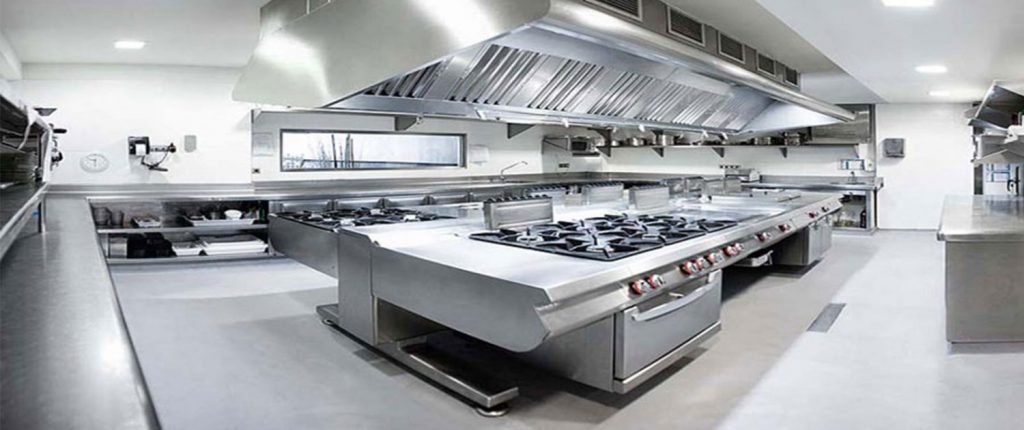
Generally, restaurants lease equipment that often breaks or needs replacing. This equipment includes coffee pots and ice machines.
If possible, it’s a good idea for restaurant owners to buy, rather than lease, long-lasting equipment. This includes items such as ovens, walk-in coolers, and dishwashers.
Factors that Affect the Cost of Leasing
As restaurants and their equipment vary, it makes sense that the costs of restaurant equipment leases do as well.
Type of Leased Equipment
More expensive equipment costs more to lease. Therefore, expect to pay more to lease a walk-in-freezer than to lease a mixer.
Sometimes, you can get a great deal on leased equipment if you use a supplier’s products. For example, if you buy coffee filters from a company, they made lease a coffeemaker for you for free.
Credit Score
Whether you like it or not, your credit score affects the price you’ll pay to lease equipment. The higher your credit score, the less you’ll pay to lease restaurant equipment.
Lease Length
Shorter leases typically have higher per-month rates than longer leases.
Items to Note
Before you sign a lease for restaurant equipment, make sure you take note of a few details. Not all leases are the same, and you’ll want to make sure your lease terms fit your needs.
Early Termination Fees
Some leases will charge you a penalty if you decide to end your lease early. Other leases cannot be terminated, even if you pay an extra fee.
If you’re unsure of how long you will need equipment, it’s a good idea to opt for a shorter lease period.
Available Equipment
Many companies that lease restaurant equipment won’t lease equipment that costs less than $3,000. Therefore, you’ll only be able to lease larger items such as refrigerators, cooktops, and ice machines.
You’ll likely need to buy smaller items such as cutlery and serving dishes. If you’re looking to save money, you can always look to buy used equipment.
Get Equipment Leasing Rates
Leasing Restaurant Equipment
Leasing restaurant equipment can provide the equipment you need without large up-front costs. However, you may end up paying more in the long run than if you buy equipment.
The cost you’ll pay to lease equipment depends on the type of equipment, your credit score, and the length of the lease. You may be interested in the restaurant sound system pricing.
